The United States has renewed the African Growth and Opportunity Act (AGOA) for only one year, a sharp deviation from the three‑year extension previously anticipated.
This shorter horizon has immediate implications for South Africa’s poultry importers and exporters, particularly those navigating the long‑standing US chicken quota and the broader trade relationship.
The renewal restores duty‑free access for more than 1,800 product lines, but the Senate’s decision to cut the extension from three years to one has created a compressed planning window for South African industries.
US Trade Representative Jamieson Greer has called 2026 a year of “modernisation,” with reciprocity as a key focus for agriculture. The US is seeking more market access for its businesses and producers, and tough negotiations on South Africa’s barriers to US poultry, grain, and pork imports are expected before any extension beyond December.
A major issue facing South Africa’s poultry sector is that many low-income families struggle to obtain affordable sources of protein. In addition, the downturn in trade relations and decreased economic activity within the industry are having a significant impact on job creation and the country’s overall economic stability.
Related: After AGOA: Emerging Poultry Markets for South African Importers
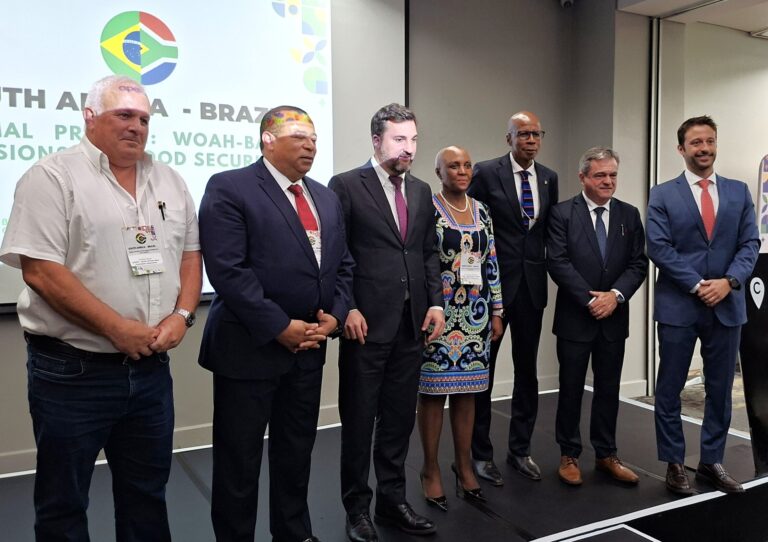
Minister Parks Tau has publicly acknowledged that while the extension is welcome, the shortened timeframe undermines the stability that AGOA is intended to provide.
A three‑year renewal would have offered a more predictable environment for exporters and investors.
Instead, the one‑year window forces South Africa into accelerated negotiations on issues such as poultry access, reciprocal tariffs, and broader trade conditions.
What This Means for Poultry Importers in 2026
South African poultry importers now face a dual challenge:
- Navigating an uncertain AGOA environment that may shift again within a year.
- Preparing for potential changes to the US chicken quota as part of reciprocal trade negotiations.
The next twelve months will likely determine whether the quota remains, is expanded, or is renegotiated entirely.
ChickenFacts will continue to actively monitor policy updates, changes in tariff reciprocity, and market access developments, ensuring readers and industry stakeholders are kept informed of the latest progress.