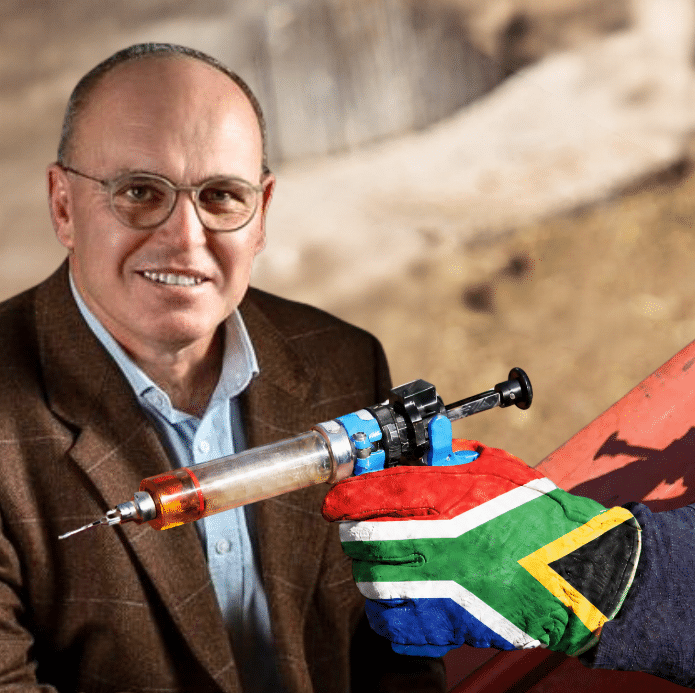
Insights from Johann Kotze, CEO of AgriSA
Scientists and meteorologists have confirmed that the developing 2026 climate pattern is on track to become a historic super El Niño. ChickenFacts spoke with Johann Kotze of AgriSA to unpack what this means for livestock producers, food inflation, and national food security in the months ahead.
Heat Stress and Production Disruptions Across Livestock Systems
South Africa enters the 2026–27 El Niño cycle with strong soil moisture and healthy dam levels. However, Kotze warns that extreme heat waves remain the most significant threat to livestock agriculture.
The impact extends beyond extensive grazing systems. Intensive production systems for poultry and pigs face direct heat‑related stress that reduces feed intake, slows growth, and increases mortality risk. Producers must invest in cooling interventions, ventilation upgrades, and emergency climate‑control measures, all of which raise production costs.
Kotze notes that while drought‑driven herd reductions are familiar in extensive cattle systems, the broader disruption to intensive operations is equally severe. Farmers can mitigate heat stress to a point, but extreme conditions ultimately force losses in both productivity and livestock numbers.
Cost Pressures and Mortality Risks During Heat Waves
Producers should expect a dual impact: higher costs and potential stock losses. Cooling poultry houses or pig units during prolonged heat waves requires additional energy, infrastructure, and operational adjustments. These interventions are unavoidable to prevent heat‑related mortalities.
Kotze highlights recent European heat waves as a reminder of how dangerous extreme temperatures can be. The livestock sector faces similar risks, and the financial burden of managing these extremes will be significant.
Food Inflation: Short‑Term Stability, Long‑Term Uncertainty
El Niño cycles typically reduce crop yields and push grain prices higher. Livestock markets often move in the opposite direction initially, as herd reductions create temporary oversupply. However, prices rise later during herd rebuilding.
Kotze expects short‑term stability for consumers. South Africa enters this cycle with surplus grain from a bumper crop, which will buffer immediate inflationary pressures. Food inflation is not expected to spike in the next few months.
For farmers, the picture is different. Production shocks today only manifest in market prices months later. Poultry cycles run around 35 weeks, pigs around 21 weeks, and cattle even longer. The full impact of El Niño will only become visible six to ten months from now.
South Africa remains food secure for now, but the medium‑term outlook depends entirely on how severe the El Niño becomes.
Imports, Biosecurity, and the Risk of Disease Introduction
Imports traditionally help stabilise supply when domestic production falters. Kotze emphasises that farmers cannot be opposed to imports in principle, especially as South Africa is a net exporter of several food categories.
However, the risk lies in biosecurity. Importing animal protein from countries with weaker disease controls can introduce pathogens not currently present in South Africa. Kotze highlights Porcine Respiratory Disease Complex (PRDC) circulating in parts of the world, noting that South Africa does not have this disease and cannot afford its introduction.
Maintaining strict biosecurity standards is essential. Relaxing controls during a crisis may appear to be a trade‑protection measure, but Kotze stresses that the real purpose is safeguarding national herd health and long‑term food security.
Protecting South Africa’s Food Security System
Food security is one of South Africa’s strongest socio‑economic assets. Kotze warns that this stability can be undermined if imports introduce new diseases or if climate shocks weaken domestic production capacity.
The priority must remain clear: protect the national herd, maintain strict biosecurity, and ensure that emergency imports do not compromise long‑term sustainability.
El Niño 2026 presents a complex challenge for South Africa’s livestock sector. Extreme heat will disrupt both intensive and extensive production systems, raising costs and threatening animal welfare.
Consumers may not feel immediate price pressure, but farmers will face significant operational strain with effects that will only surface months later.
Imports may play a stabilising role, but only if biosecurity remains uncompromised. As Kotze emphasises, protecting South Africa’s herd health is central to protecting national food security.
ChickenFacts will continue monitoring developments as the El Niño cycle unfolds.