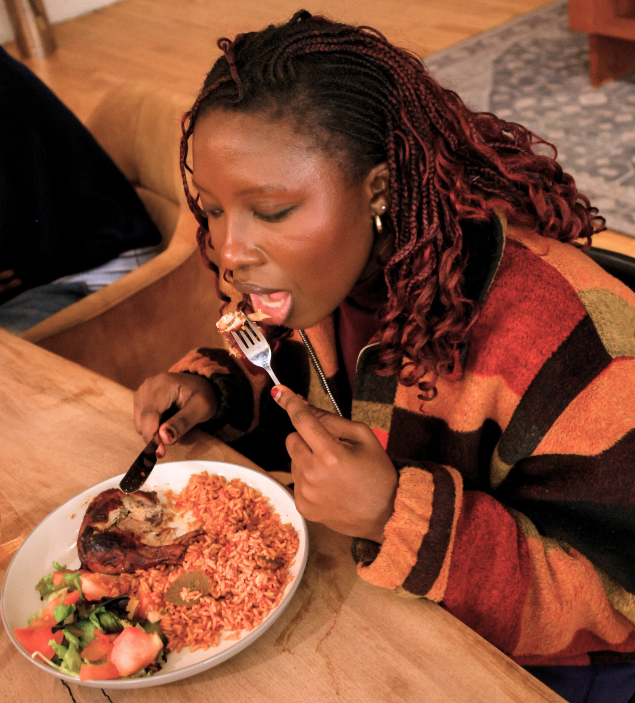
Chicken is South Africa’s most popular protein. It is affordable, versatile, and essential to millions of households. But if you have noticed prices creeping up, there is a reason, and it is not just inflation.
Restricting chicken imports may sound like a patriotic move, but it comes at a cost. For everyday consumers, it means fewer choices and higher prices.
What’s Happening?
South Africa imports three key types of chicken products:
1. Mechanically Deboned Meat (MDM)
This paste-like meat is used to make affordable processed products like polony and viennas. It is not produced locally. South African’s rely on these imports as an affordable high-protein source. Additionally, MDM imports support approximately 125,000 jobs in the manufacturing sector.


2. Chicken Offals
South Africa imports a variety of offals, primarily to meet demand for affordable protein and processed meat production. The key imported offals include:
- Chicken feet
- Chicken necks
- Chicken livers
- Chicken gizzards
- Chicken hearts
3. Bone-in Chicken Portions
These are the frozen portions including drumsticks, wings, and thighs, which supplement local supply. However, bone-in imports have been hit with steep tariff and anti-dumping duties, some as high as 265%, which have significantly decreased bone-in imports from the market. This has afforded local producers a near-monopoly on retail chicken cuts.
No Imports, No Food Security
A significant concern arises when local supply is disrupted, as seen during local outbreaks of Avian Influenza (bird flu).
Such events pose risks to the food security of chicken and due to immediate shortages in supply.
The most consumed frozen bone-in chicken portions are likely to experience price spikes that cannot be mitigated by imports, owing to existing high import duties.
Furthermore, in contrast to assertions from local producers, imported chicken is considered safe for consumption.
ChickenFacts has verified that frozen imported poultry undergoes rigorous inspection and presents no risk of bird flu. Current scientific evidence does not support the notion that imported chicken poses a public health threat, nor that of local flocks.

Why Prices Go Up
Supply shrinks while demand stays the same. Local producers face rising input costs due to unreliable electricity and water supply, and failing infrastructure, while retailers pass those costs on to consumers. The result is that you pay more for the same pack of chicken or settle for less.
Chicken Dumping
Some industry voices claim that foreign producers are “dumping” cheap chicken in South Africa. However, less than 15% of the chicken cuts consumed is imported.
Imports can contribute to stabilising local prices. When high tariffs and anti-dumping duties restrict imports, tariffs, rather than dumping, become a significant factor affecting trade.
Protectionist policies benefit a handful of local producers while hurting consumers and undermining food security. Fair and balanced trade is key to healthy market competition, better chicken prices, and resilient food security.
What About Brining?
Another factor affecting value for consumers is brining, the process of injecting chicken with saltwater to increase weight.
While legal within limits, this means you are paying for water, not meat. In South Africa, the legally permitted brining levels for frozen chicken are:
- 10% for whole birds
- 15% for chicken pieces
Imported chicken is typically unbrined, offering better value per kilogram.
What This Means for You
High import duties on imported chicken means reduced choice at supermarkets, increased prices for essential protein, and greater vulnerability for low-income households.
Chicken is not a luxury. It is a staple. Restricted imports makes it harder for families to afford nutritious meals.
What Can Be Done?
Support fair trade policies that balance local production with import access. Demand transparency on pricing and brining practices, and advocate for infrastructure reform to reduce production costs and improve competitiveness.
Stay Informed
ChickenFacts was created to cut through the noise and provide fact-checked insights on poultry trade, pricing, and safety. As a consumer, you have the right to know what is driving costs and how policy decisions affect your plate.
Want to dig deeper? Explore the latest news and fact sheets. Follow us on the ChickenFacts social platforms below and join the conversation on food security and fair pricing.