Petrol prices edged higher after August’s brief relief. Diesel continues its upward climb, driven largely by global supply constraints and rising international product prices. The weaker rand also adds pressure across all grades.
The Department of Mineral and Petroleum Resources has confirmed the official September adjustments, which took effect nationwide on Wednesday, 2 September 2026.
Month‑on‑Month Fuel Price Changes
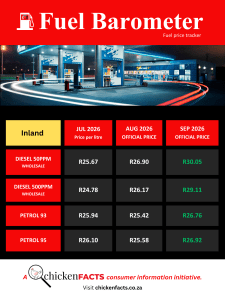
Inland Region
- Diesel 50ppm Wholesale – Increase: +R3.15 per litre
- Diesel 500ppm Wholesale – Increase: +R2.94 per litre
- Petrol 93 – Increase: +R1.34 per litre
- Petrol 95 – Increase: +R1.34 per litre
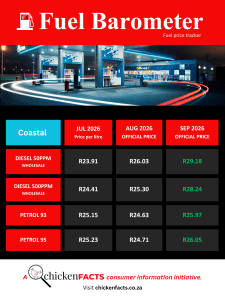
Coastal Region
- Diesel 50ppm Wholesale – Increase: +R3.15 per litre
- Diesel 500ppm Wholesale – Increase: +R2.94 per litre
- Petrol 93 – Increase: +R1.34 per litre
- Petrol 95 – Increase: +R1.34 per litre
Key Drivers of the September Adjustment
International Oil Market Volatility
Brent crude traded mostly between 84 and 89 dollars per barrel during the review period. Prices were supported by tighter global supply conditions, including reduced output from several Middle Eastern refineries and ongoing restrictions on Russian diesel exports. These factors increased diesel-linked Basic Fuel Price contributions and limited the recovery seen earlier in August.
International Product Prices
Petrol benchmark prices rose moderately, reversing the over‑recoveries that supported August’s decrease. Diesel and illuminating paraffin saw sharper increases due to persistent supply shortages and higher freight costs. These movements contributed significantly to the final wholesale diesel adjustments.
Rand–Dollar Exchange Rate
The rand weakened from an average of R16.46 to around R16.59 against the US dollar during the review period. This depreciation added upward pressure across petrol, diesel and paraffin price structures.
Impact on Consumers
Higher diesel costs will place pressure on freight, agriculture and public transport operators, with likely knock‑on effects for food and consumer goods pricing. Petrol users face a smaller increase, but overall household transport costs will rise in September.
Sources: Department of Mineral and Petroleum Resources, Central Energy Fund daily BFP data